Summa Theologica: The Masterpiece of Thomas Aquinas
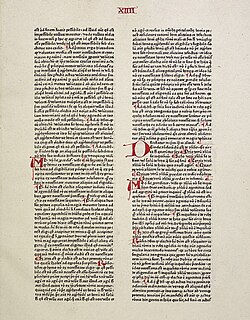
Summa Theologica: The Masterpiece of Thomas Aquinas
The Summa Theologica, written by Saint Thomas Aquinas in the 13th century, stands as one of the most influential works in the history of Western philosophy and Christian theology. As a foundational text of Scholasticism, it represents a monumental effort to synthesize Aristotelian philosophy with the teachings of the Catholic Church.
Core Philosophical Framework
Aquinas utilizes a systematic approach to address complex theological questions. Central to his work are concepts such as Divine Simplicity, Aseity, and the famous Quinque Viae (Five Ways), which are logical arguments for the existence of God. The text explores the nature of reality through hylomorphism and the distinction between essence and existence.
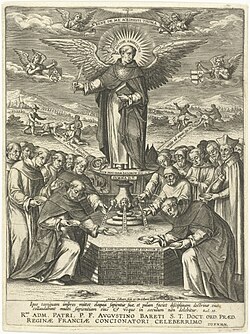
Theological Contributions
The Summa covers a vast array of topics, including the nature of law, the sacraments, and the ethics of human action. Aquinas introduces the Principle of Double Effect and provides a detailed analysis of natural law, which continues to influence modern legal and moral theory. His work remains a primary reference for the Dominican Order and Catholic intellectual tradition.
Key Themes and Concepts
- Natural Law: The moral principles inherent in human nature.
- Transcendentals: The properties of being, such as truth, goodness, and beauty.
- Beatific Vision: The ultimate direct self-communication of God to the individual person.
- Just War Theory: Criteria for the moral justification of military conflict.
أسئلة شائعة
What is the primary goal of the Summa Theologica?
The primary goal is to provide a comprehensive summary of Christian theology, using reason and philosophy to explain and defend the faith.
What are the Quinque Viae?
The Quinque Viae, or 'Five Ways,' are five logical arguments proposed by Aquinas to demonstrate the existence of God based on observation of the physical world.
Why is the Summa considered unfinished?
Aquinas stopped writing the work in 1273 after experiencing a profound mystical vision, famously stating that all he had written seemed like straw compared to what he had seen.